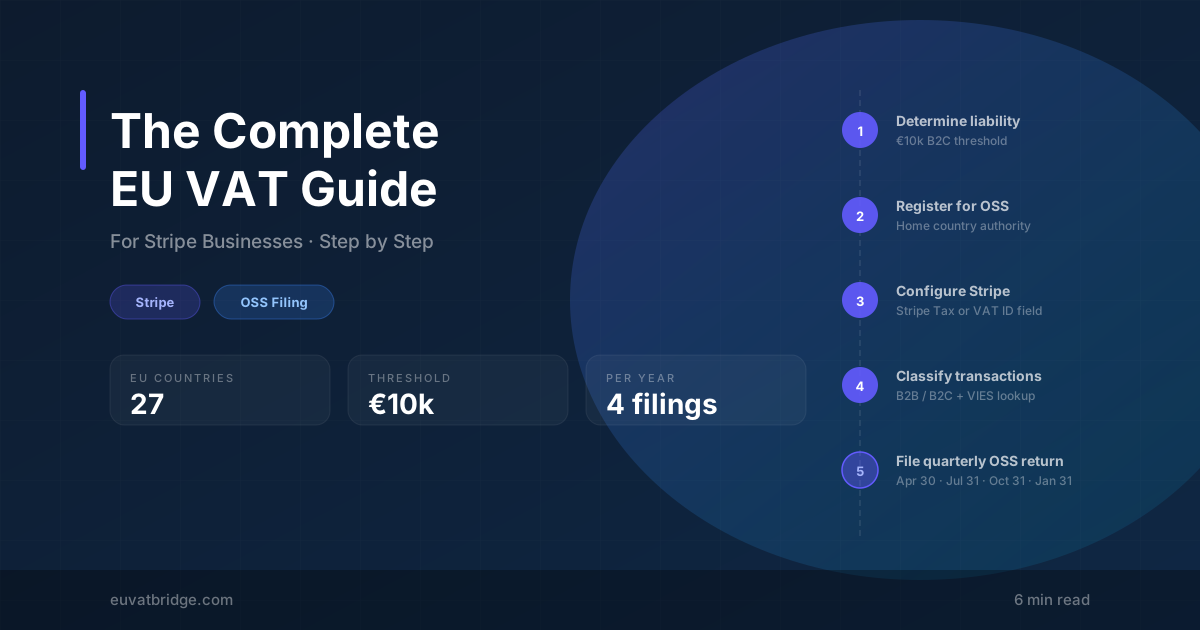
EU VAT is one of those topics SaaS founders know they should understand but keep postponing. The rules are genuinely complex — 27 countries, different rates, B2B exemptions, reverse charges, quarterly filings — and most resources are written for accountants, not founders.
This guide is different. It covers everything you need to know in plain language, with specific numbers and actionable steps.
Do You Need to Charge EU VAT?
The short answer: if you sell a SaaS product to consumers in the EU and your cross-border B2C sales exceed €10,000 per year, yes.
What Counts as a “Digital Service”?
The EU defines digital services broadly. SaaS products are unambiguously included:
B2B vs B2C: The Most Important Distinction
This is where EU VAT gets interesting — and where most founders make mistakes.
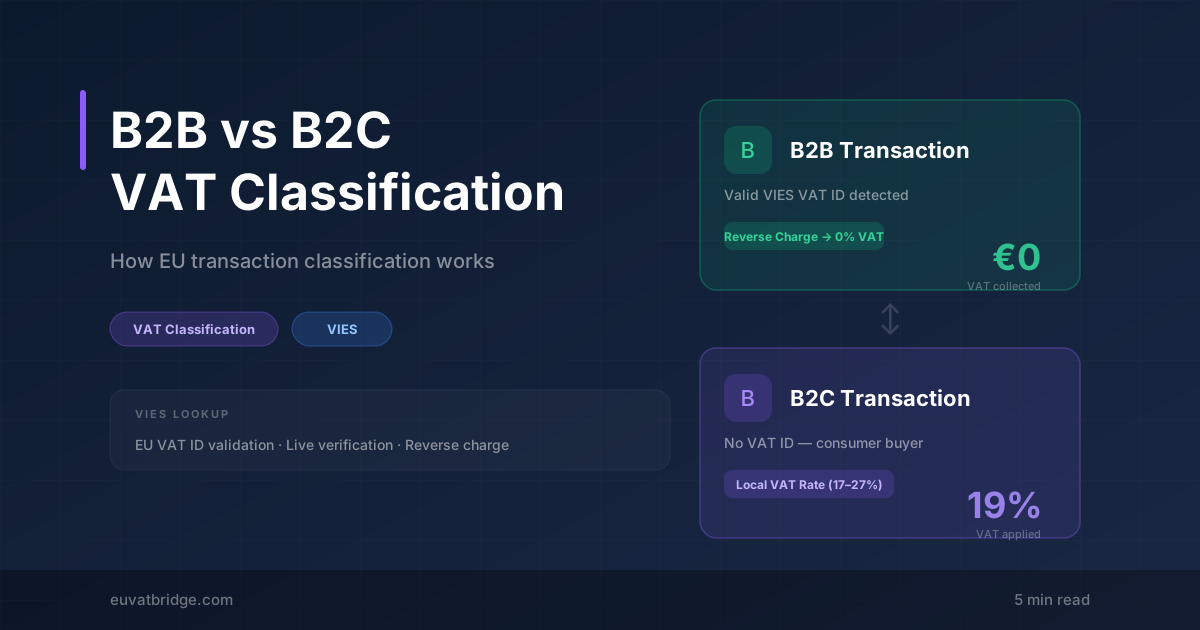
When you sell to an individual consumer in the EU, you must charge VAT at the rate of the customer’s country. A consumer in Germany pays 19% VAT. A consumer in Hungary pays 27%.
When you sell to a VAT-registered business in another EU country, the reverse charge mechanism applies. You charge zero VAT, and the buyer accounts for it in their own return.
The Reverse Charge Mechanism Explained
The reverse charge is simple in concept: instead of the seller collecting and remitting VAT, the buyer does. In practice, it means:
- Your invoice shows the net amount with a note: “Reverse charge — VAT to be accounted for by the recipient”
- You include the customer’s validated VAT ID on the invoice
- The transaction is excluded from your OSS return’s B2C totals
- The buyer reports the VAT in their own country’s return
How to Register for OSS
Registration is free and straightforward.
EU-Based SaaS Companies
Register through your home country’s tax authority portal. In Ireland, it’s through Revenue Online Service (ROS). In Germany, through BZSt. Processing typically takes 1–2 weeks.
Non-EU SaaS Companies
Register for the “Non-Union OSS scheme” through any EU member state. Ireland and the Netherlands are popular due to English-language support. You’ll need:
- Your company registration details
- A description of your digital services
- Bank account details for VAT payments
- Estimated annual EU revenue
What VAT Rates to Apply
Each EU country has its own standard rate for digital services. Here are the most common ones:
These rates apply to B2C transactions only. B2B reverse-charge transactions are invoiced at 0%.
Common Mistakes SaaS Founders Make
How to Automate EU VAT Compliance
The manual approach — exporting Stripe data, checking VIES, building spreadsheets — works at small scale but breaks down quickly.
Key takeaway
vidaReady automates the entire workflow: connect your Stripe account, and every EU transaction is automatically classified (B2B/B2C) with live VIES validation, country-specific VAT rates applied, and amounts converted to euros. Your quarterly OSS report is generated in one click. Whether you’re a solo founder or a growing team, getting VAT compliance right from the start is far cheaper than fixing it retroactively after an audit.