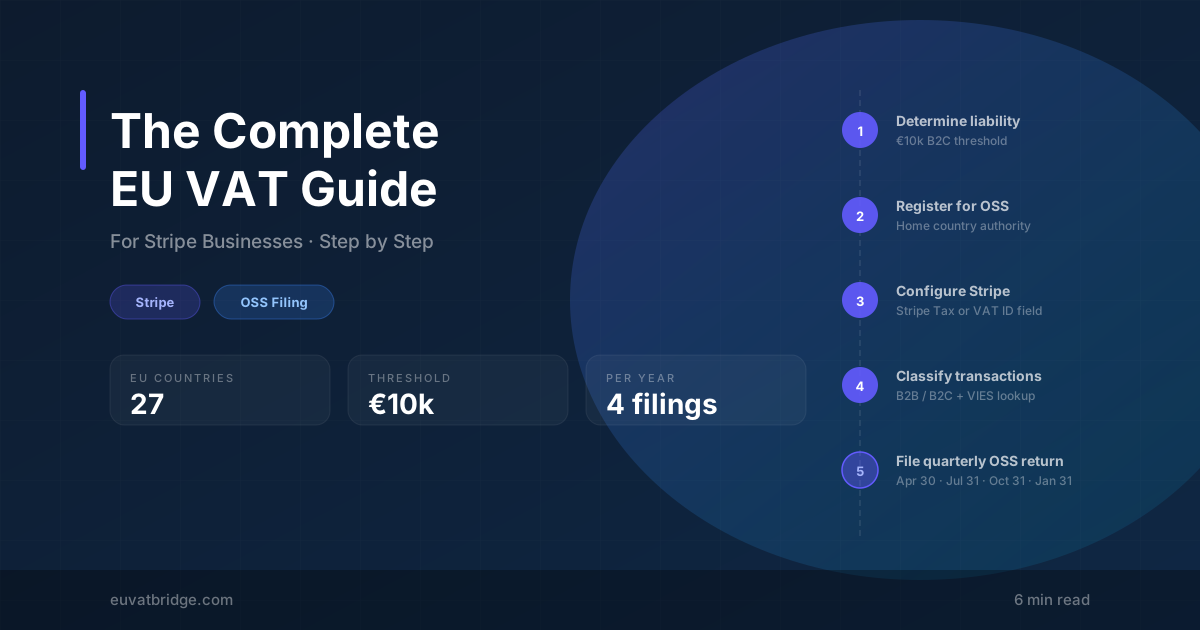
The €10,000 EU VAT threshold is one of the most misunderstood rules in EU tax compliance. Many Stripe-based founders believe they’re safely below it. Most are wrong.
What the threshold is
If your total B2C digital services sales to EU customers outside your home country exceed €10,000 in a calendar year, you must register for OSS and charge local VAT rates for each customer’s country.
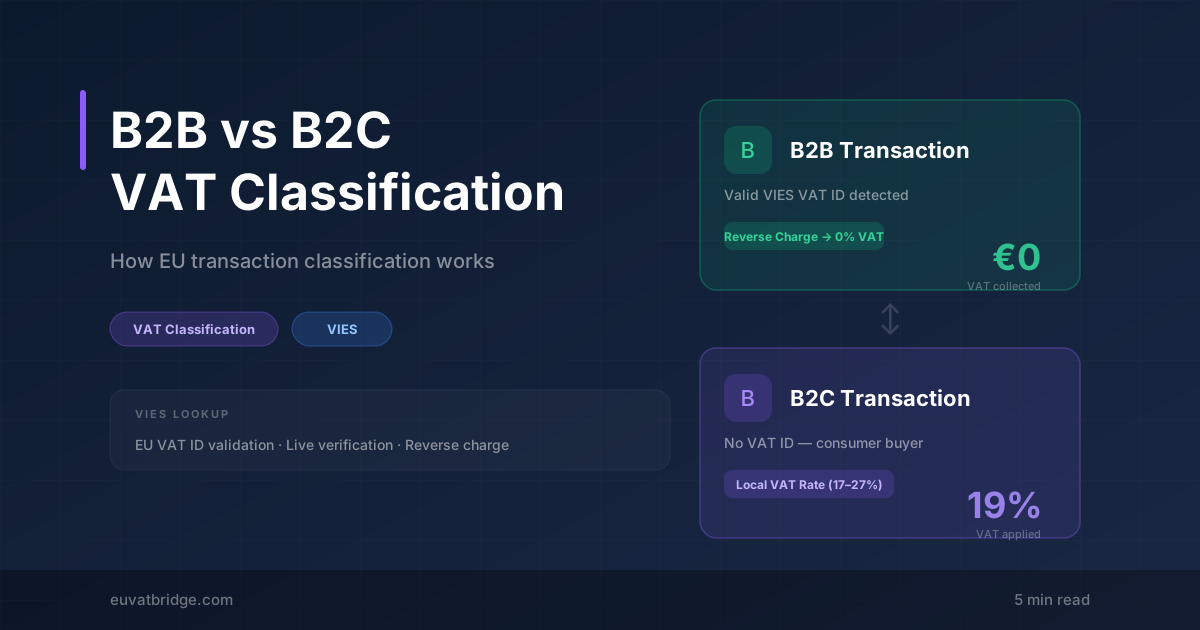
Below €10,000: you can use your home country’s VAT rate. Above it: you must charge the VAT rate for each customer’s country (Germany 19%, Hungary 27%, etc.).
The four most common misconceptions
When most SaaS businesses actually cross it
Spoiler: sooner than you think.
At €29/month, you need roughly 29 EU B2C customers to cross €10,000/year. At €99/month, just 9 customers. If you have any meaningful EU user base, you’re likely already above it.
What happens when you cross it mid-year?
- Register for OSS immediately — processing takes 1–4 weeks.
- Start applying local VAT rates — to all EU B2C transactions from that point forward.
- Include pre-registration transactions — in your first OSS return if applicable.
How to track it automatically
Key takeaway
vidaReady shows your running EU B2C revenue total in the dashboard — broken down by country, with B2B transactions correctly excluded. You’ll know exactly where you stand against the threshold in real time, with zero manual tracking.